
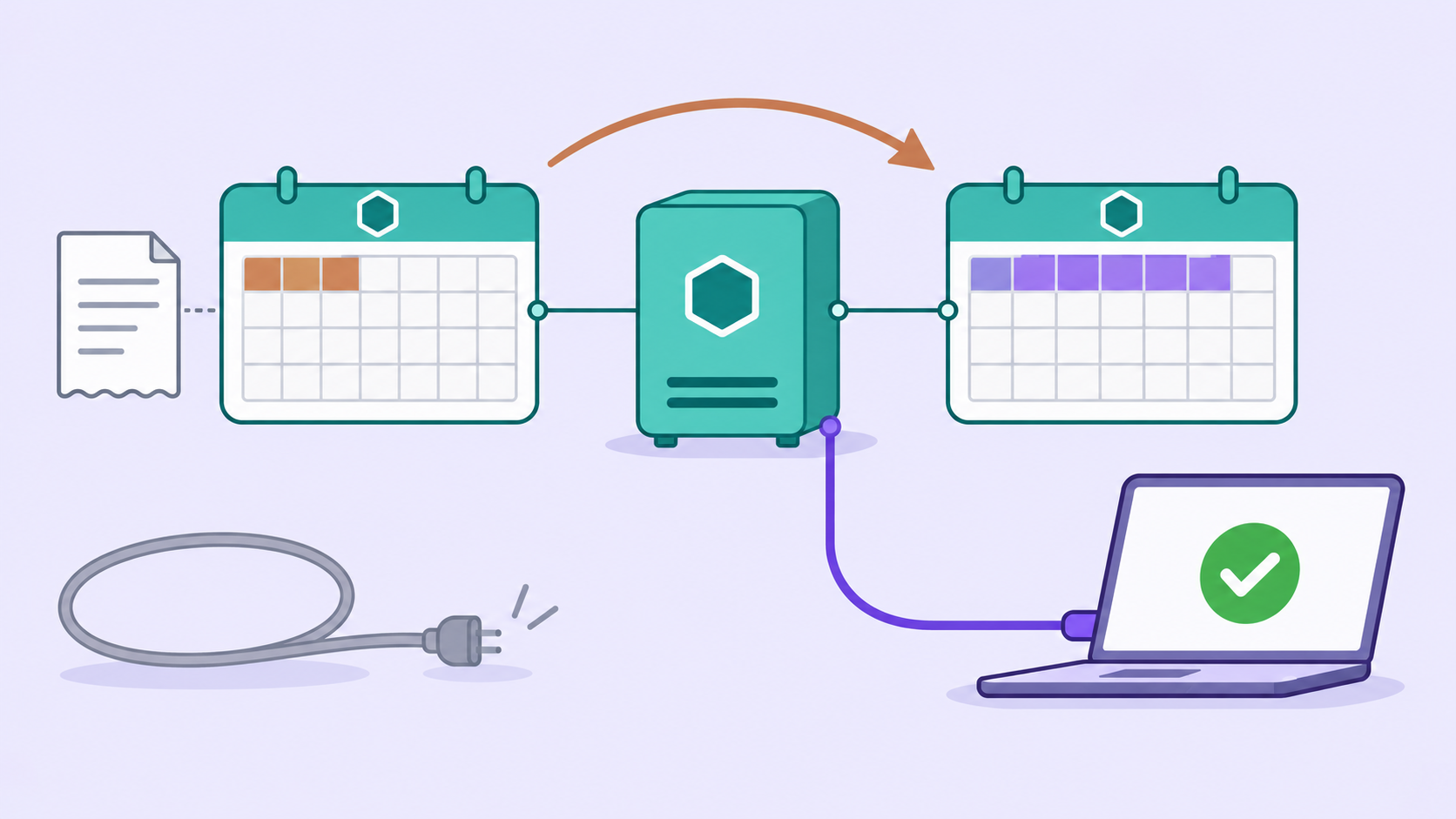
Renewal is an operational acceptance task
A fixed residential route used for authorized monitoring or website testing can have several records that need to agree: the order, the assigned resource, its service period and the client configuration. A completed payment does not by itself demonstrate that the intended resource has been extended or that a new connection can use it.
The 98IP static residential product page currently presents a custom service. It does not publish a universal rule guaranteeing retention of the same address, a standard renewal cutoff or a universal activation deadline. Confirm those details for your actual allocation before scheduling a dependency on them. This guide gives an acceptance process, not a promise of uninterrupted service.
1. Inventory the resource before discussing an extension
Record a safe resource identifier, product and address family, approved market, proxy endpoint and port, authentication method, observed exit, current expiry and the time zone used by the service record. Keep credentials out of the worksheet. If the console does not expose an allocation identifier or an unambiguous expiry, obtain confirmation from the service owner rather than inventing one.
List dependent authorized jobs and target-side allowlists. Distinguish the proxy gateway endpoint from the exit seen by the target; one is not evidence of the other. Specify whether the requirement is retention of a particular assigned IP, continued access in a market, or a replacement with an approved migration. These are different acceptance criteria.
2. Agree on retention, timing and the renewal object
Before placing a renewal request, confirm that it applies to the existing allocation rather than a new resource order. Ask which identifier binds it, whether the address is reserved during the renewal window, what happens after expiry, and whether endpoint or authentication settings can change. Record the specific answer and its scope.
Plan enough time for your internal approval, the confirmed provider processing period, verification and a contingency buffer. Do not publish a made-up universal number of hours. Record the planned extension and the expected resulting service end time using the account's actual date convention; do not assume a calendar date means the end of your local day.
3. Capture a pre-renewal baseline on a new connection
Using the approved access configuration, make a small non-mutating request to an owned or explicitly authorized test endpoint. Record proxy access outcome, observed exit and a known response marker. End this test connection so the post-renewal case cannot inherit it.
The target may also have its own source-IP or account policy. Keep that outcome separate from proxy availability. A target denial can coexist with a working proxy route; diagnose it under the target's authorized rules instead of repeatedly replacing the exit to defeat the denial.
4. Reconcile the result without duplicating an uncertain order
After the authorized renewal action, read back the order status, bound allocation and new service period. Compare them with the inventory and the agreed retention criterion. If an action returned an ambiguous response, inspect the order and allocation before repeating it. A second payment is not a diagnostic step.
Classify the result: extended as agreed; paid or submitted but not confirmed active; assigned replacement requiring approval; or failed. Keep a pending state until the evidence supports activation. If billing and resource records disagree, retain the order reference and sanitized allocation evidence for resolution rather than marking the task complete.
5. Test fresh access, then the real dependency
Create a fresh connection using the current endpoint and authentication settings. Repeat the harmless baseline request and compare the observed exit with the criterion agreed earlier. An old connection still transferring data does not establish that new access works after the service change.
Then run one bounded acceptance case for each critical authorized dependency: the expected page or API content, applicable target allowlist and required market context. Check content rather than just status. Keep sensitive target data out of the report and separate network access failures from target-policy failures.
If a replacement was agreed, follow an approved migration: validate it first, update only the relevant authorized target-side controls and client records, then confirm the dependency. Do not label an address change as successful retention of the old address, and do not promise that the target will preserve its application session.
6. Decide what to do when the checks disagree
Expiry not extended: keep renewal pending and verify the bound resource and service period. Fresh access rejected: confirm current settings, access method and allocation state; compare with the harmless baseline. Exit changed unexpectedly: pause address-dependent jobs and resolve whether a replacement occurred before updating any allowlist.
Fresh access works but a target fails: investigate the target's permitted source and account conditions separately. An expected field missing from the console is unresolved evidence, not proof that the extension did not happen. Define a review owner and a next-check time so pending work does not disappear into an endless retry loop.
For an operational rehearsal, use a dry-run table covering unchanged allocation extended, pending activation, unexpected replacement and expired access. Write the expected hold or acceptance decision for each. Do not deliberately let a production resource expire just to manufacture a test case.
Where 98IP fits
The 98IP static residential IP product page is relevant when the approved workload needs a fixed residential allocation. Confirm its custom service terms and actual account options, then use the operation guides for connection setup. This checklist complements that setup by verifying the service change against the resource you depend on.
Select the product because the workload has a documented continuity requirement, not because fixed routing guarantees account acceptance or an unchanged IP forever. No price, throughput, permanent reservation or zero-downtime guarantee is established by this checklist; use the actual agreed terms and observed acceptance results.
FAQ and completion checklist
Is the same gateway address proof of the same exit? No. Record the assigned resource and the exit observed at the authorized target separately.
Can I finish the renewal task when payment succeeds? Only after the allocation, service term, agreed retention and fresh-connection/dependency checks are reconciled. A pending activation remains pending.
Completion evidence: correct renewal object, explicit retention terms, unambiguous expiry and time zone, updated allocation period, fresh access, observed exit against the agreement, dependency content, and a sanitized order reference. Record any unresolved mismatch and its owner.
Use only authorized account actions and owned or expressly authorized tests. Protect credentials, respect request limits and target controls, and retain minimal evidence. A renewal does not grant new access rights or justify bypassing a target restriction.
Related Recommendations
- SOCKS5 vs socks5h: How Remote DNS Changes Proxy Routing
- How to Audit Proxy Bypass and PAC Rules in Browser Automation
- How to detect unexpected direct fallback after agent failure
- Regional Proxy Mobile Layout Test: Find Hidden Buttons and Broken Localization
- Build a Multi-Region Ad Verification Matrix Without Confusing IP Location with Audience Targeting
- How to Audit Proxy Bandwidth Billing Before Buying More Traffic
- How to Diagnose Stale DNS During a Proxy Gateway Rollover
- How to Test Multipart Upload Integrity Through a Proxy
- Proxy Exit IP Allowlist Rollover: A Zero-Downtime Migration Runbook
- How to Detect Cross-Session Cache Contamination in Proxy Data Collection